The origins of football derbies in Europe can be traced back to the late 19th century, a time when the sport began to gain traction across the continent. The establishment of organized football clubs, particularly in England, laid the groundwork for local rivalries. Clubs such as Sheffield FC, founded in 1857, and Notts County, established in 1862, were among the first to foster competitive spirit within their communities.
These early matches were not just about the game; they represented local pride and identity, setting the stage for what would become intense rivalries. As football spread throughout Europe, clubs began to form in various cities, each representing their own unique culture and community. The first recorded derby match is often attributed to the 1880s when local teams faced off in friendly competitions that quickly escalated into fierce contests.
The term “derby” itself is believed to have originated from the match between two teams from the same city or region, creating a sense of belonging and rivalry that resonated deeply with fans. This early foundation of football derbies was characterized by passionate support and a burgeoning sense of community identity.
Key Takeaways
- Football derbies in Europe have early origins dating back to the 19th century, with matches between local teams becoming a source of intense rivalry and competition.
- Industrialization played a significant role in the development of football rivalries, as it led to the formation of factory teams and increased urbanization, creating a sense of local pride and identity.
- Nationalism has had a profound impact on football derbies in Europe, with matches often serving as a platform for expressing national pride and identity, especially during times of political tension or conflict.
- Socioeconomic factors, such as class divisions and economic disparities, have shaped football rivalries in Europe, with teams often representing different social and economic backgrounds.
- The modern era has seen the evolution of football derbies with the commercialization of the sport, leading to increased global interest and investment in European football rivalries.
The Role of Industrialization in the Development of Football Rivalries
The Formation of Local Clubs
The rise of factories and urban centers meant that people from similar backgrounds began to congregate, leading to the formation of clubs that represented their neighborhoods. The industrial landscape also influenced the geographic distribution of clubs. Teams often emerged in close proximity to one another, leading to natural rivalries based on local pride.
Industrial Rivalries on the Pitch
For instance, in cities like Manchester and Liverpool, the growth of industry fostered competition not only in business but also on the football pitch. Matches between these clubs became more than just games; they were battles for supremacy that reflected the economic and social dynamics of their respective communities.
A Fertile Ground for Rivalries
The industrial backdrop provided a fertile ground for rivalries to flourish, as fans rallied around their teams with fervor.
The Impact of Nationalism on Football Derbies in Europe

Nationalism has significantly influenced football derbies in Europe, particularly during periods of political upheaval and social change. As nations sought to assert their identities, football became a powerful tool for expressing national pride. In countries like Italy and Spain, regional identities often clashed on the pitch, with clubs representing distinct cultural and historical narratives.
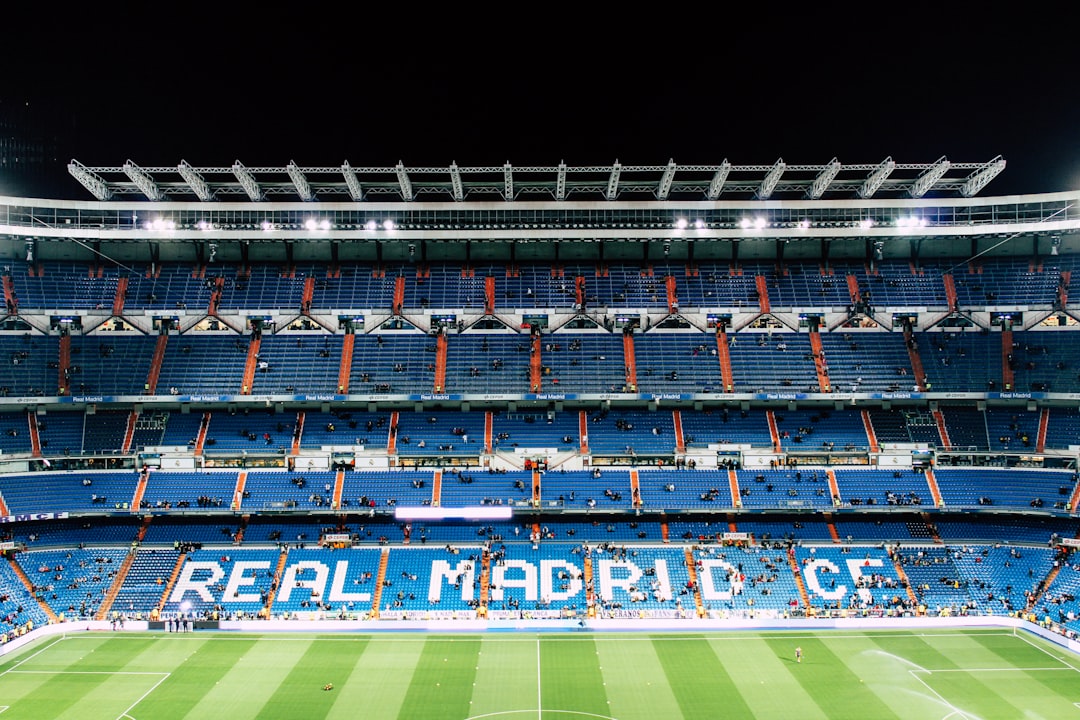
For example, the fierce rivalry between FC Barcelona and Real Madrid transcends mere sport; it embodies the struggle between Catalan nationalism and Spanish centralism. The impact of nationalism is also evident in international competitions where club rivalries take on a national dimension. Matches between clubs from different countries often evoke feelings of patriotism among fans, as they cheer not only for their teams but also for their nations.
This intertwining of football and national identity has led to some of the most memorable moments in the sport’s history, where victories are celebrated as triumphs for an entire nation rather than just a single club.
How Socioeconomic Factors Shaped Football Rivalries in Europe
Socioeconomic factors have played a crucial role in shaping football rivalries throughout Europe. The class divide has often been mirrored in the stands, with clubs representing different social strata within society. For instance, clubs like Chelsea FC and Manchester City have historically been associated with wealthier demographics, while teams like West Ham United have roots in working-class communities.
These distinctions have fueled rivalries that reflect broader societal tensions.
In times of economic hardship, rivalries can intensify as fans seek solace and identity through their clubs.
The passion displayed during derbies often serves as an outlet for frustrations stemming from socioeconomic challenges. This connection between football and social issues highlights how deeply intertwined these rivalries are with the fabric of society, making them more than just games but rather reflections of the communities they represent.
The Evolution of Football Derbies in the Modern Era
In recent decades, football derbies have evolved significantly due to changes in technology, media coverage, and globalization. The advent of television and digital platforms has transformed how fans engage with their teams and rivalries. Matches are now broadcast worldwide, allowing fans from different countries to experience the intensity of local derbies from afar.
This global reach has amplified rivalries, as international audiences become invested in the narratives surrounding these matches. Additionally, modern football has seen an influx of wealth through sponsorships and foreign investments, leading to shifts in club dynamics. Traditional powerhouses may face challenges from newly wealthy clubs that disrupt established hierarchies.
This evolution has created new rivalries while intensifying existing ones, as clubs vie for dominance both domestically and internationally. The modern era has redefined what it means to be part of a football derby, blending local passion with global significance.
The Influence of Politics on European Football Derbies
Historical Animosities and National Identity
Politics has long been intertwined with football derbies in Europe, often manifesting in ways that reflect broader societal issues. Political tensions can spill onto the pitch, with matches serving as battlegrounds for ideological conflicts. In countries like Serbia and Croatia, historical animosities have fueled fierce rivalries that extend beyond sport into national identity and historical grievances.
Football as a Platform for Political Expression
The infamous “Eternal Derby” between Red Star Belgrade and Partizan Belgrade is a prime example of how political divisions can shape football culture. Moreover, political movements have utilized football as a platform for expression. Fans often use matches to voice their opinions on social issues or political events, turning derbies into arenas for protest or celebration.
The Complexity of Rivalries and National Narratives
This dynamic adds layers of complexity to rivalries, as they become intertwined with national narratives and political discourse. The influence of politics on football derbies underscores how deeply rooted these rivalries are within the socio-political landscape of Europe.
The Role of Religion in Shaping Football Rivalries in Europe
Religion has historically played a significant role in shaping football rivalries across Europe, particularly in regions where faith intersects with cultural identity. In countries like Scotland and Northern Ireland, religious affiliations have often aligned with club loyalties, creating intense rivalries that reflect deeper societal divisions. The Old Firm derby between Celtic FC and Rangers FC is emblematic of this phenomenon, where Protestant and Catholic identities clash on the pitch.
These religious undertones can add an emotional depth to rivalries that goes beyond mere competition. Matches become charged events where fans express their beliefs and identities through their support for their teams. This intertwining of religion and football highlights how deeply personal these rivalries can be for fans, making them not just sporting events but also cultural expressions of faith and community.
The Cultural Significance of Football Derbies in Europe
Football derbies hold immense cultural significance across Europe, serving as focal points for community identity and pride. These matches are often steeped in tradition, with rituals and customs that have developed over generations. From pre-match gatherings to post-match celebrations or lamentations, derbies create a sense of belonging among fans that transcends age or background.
Moreover, derbies often reflect local culture and history, showcasing unique traditions that differentiate one rivalry from another. For instance, the passionate atmosphere surrounding matches like the Milan Derby (Derby della Madonnina) or the North West Derby between Liverpool and Manchester United encapsulates not only sporting rivalry but also regional pride and cultural heritage. These events become communal experiences that strengthen bonds among supporters while celebrating their shared love for football.
The Globalization of European Football Derbies
The globalization of European football has transformed how derbies are perceived and experienced worldwide. With clubs expanding their reach through international tours and partnerships, rivalries have gained global audiences that transcend geographical boundaries. Fans from different continents now engage with these matches through social media platforms and streaming services, creating a shared experience that connects diverse cultures.
This globalization has also led to increased commercialization of football derbies, with clubs capitalizing on their brand value to attract international fans. Merchandise sales, sponsorship deals, and broadcasting rights have turned local derbies into lucrative events that draw attention from around the world. While this expansion brings financial benefits to clubs, it also raises questions about preserving the authenticity and local essence of these rivalries amidst growing commercial interests.
The Future of Football Derbies in Europe
As football continues to evolve in response to societal changes and technological advancements, the future of football derbies in Europe remains uncertain yet promising. Emerging trends such as increased fan engagement through digital platforms may reshape how supporters experience these matches. Clubs are likely to invest more in creating immersive experiences for fans both at home and abroad.
Additionally, as societal issues such as inclusivity and diversity gain prominence within sports culture, football derbies may evolve to reflect these values more prominently. Initiatives aimed at promoting unity among fans could emerge alongside traditional rivalries, fostering a sense of community while still celebrating competition on the pitch. The future holds potential for derbies to adapt while retaining their core essence as vital expressions of local identity.
The Uniting and Divisive Nature of Football Derbies in Europe
Football derbies embody both uniting and divisive elements within European society. On one hand, they bring communities together through shared passion and loyalty towards their teams; they create bonds among fans who rally behind a common cause. The excitement surrounding derby matches fosters camaraderie among supporters who celebrate victories together or commiserate losses as one.
Conversely, these rivalries can also lead to division within communities, as intense competition breeds animosity between opposing fan bases. Incidents of violence or hostility during matches highlight how deeply entrenched these rivalries can become, sometimes overshadowing the joy of sport itself. Striking a balance between celebrating competition while promoting respect among fans remains an ongoing challenge for clubs and governing bodies alike.
In conclusion, football derbies are an integral part of European culture that encapsulates history, identity, and community spirit. From their early origins rooted in local pride to their modern evolution influenced by globalization and technology, these rivalries continue to shape the landscape of football across the continent. As they navigate challenges posed by politics, religion, and socioeconomic factors, derbies remain powerful symbols of unity and division within society—reflecting both the passion for sport and the complexities of human relationships.
### FAQ Section 1. **What is a football derby?**
A football derby refers to a match between two teams from the same city or region that typically carries significant rivalry due to historical or cultural factors. 2.
**How do socioeconomic factors influence football derbies?**
Socioeconomic factors shape fan demographics and club identities; disparities between wealthier clubs and those rooted in working-class communities often fuel intense rivalries. 3. **What role does nationalism play in football derbies?**
Nationalism influences football derbies by intertwining club identities with national pride; matches can evoke strong feelings related to regional or national identity.
4. **How has globalization affected European football derbies?**
Globalization has expanded the reach of football derbies beyond local audiences; international fans engage with these matches through digital platforms while clubs capitalize on global branding opportunities. 5.
**What is the significance of religion in shaping football rivalries?**
Religion can create deep-rooted divisions among fan bases; historical affiliations often align with club loyalties—leading to intense rivalries that reflect broader societal issues.