Football is a game of strategy, skill, and teamwork, where each player has a specific role that contributes to the overall success of the team. Understanding the various positions on the field is crucial for fans, players, and coaches alike. Each position has its own unique responsibilities and skill sets, which can significantly impact the outcome of a game.
From the explosive plays of the offense to the tenacious defense and specialized roles on special teams, every position plays a vital part in the intricate dance that is football. In this article, we will delve into the different positions in football, exploring their roles, responsibilities, and how they work together to create a cohesive unit. By breaking down the offense, defense, and special teams, readers will gain a comprehensive understanding of how each position contributes to the game.
Whether you are a seasoned fan or new to the sport, this guide will provide valuable insights into the fascinating world of football positions.
Key Takeaways
- Football positions are divided into offense, defense, and special teams.
- Offense positions include quarterback, running back, wide receiver, tight end, and offensive linemen.
- Defense positions include defensive linemen, linebackers, cornerbacks, and safeties.
- Special teams positions include kicker, punter, long snapper, and returner.
- Each position has specific responsibilities, such as leading the offense for quarterbacks, carrying the ball for running backs, and stopping the run for defensive linemen.
Offense Positions: Quarterback, Running Back, Wide Receiver, Tight End, Offensive Linemen
The Quarterback: The Leader of the Offense
At the helm of the offense is the quarterback, a position that requires a unique blend of leadership, decision-making, and athleticism. The quarterback is responsible for orchestrating the offense, making crucial reads based on the defense’s alignment, and delivering accurate passes to receivers. This pivotal role often defines a team’s success or failure, as evidenced by legendary quarterbacks like Tom Brady and Joe Montana, who have led their teams to multiple championships.
The Supporting Cast: Running Backs, Tight Ends, and Wide Receivers
Complementing the quarterback are running backs, wide receivers, tight ends, and offensive linemen. Running backs are versatile athletes who can carry the ball on rushing plays or act as receivers out of the backfield. Their ability to evade tackles and gain yards after contact is essential for sustaining drives. Wide receivers specialize in running precise routes and catching passes from the quarterback. They are often the playmakers who can change the momentum of a game with a single catch. Tight ends serve as a hybrid position, combining blocking duties with pass-catching abilities, making them valuable assets in both the running and passing games.
The Backbone of the Offense: The Offensive Line
Offensive linemen form the backbone of any offense, providing protection for the quarterback and creating running lanes for the backs. Their size and strength are critical in battling against defensive players. Each position on the offensive line—center, guards, and tackles—has specific responsibilities that contribute to the overall effectiveness of the unit. Together, these positions work in harmony to execute plays and score points.
Defense Positions: Defensive Linemen, Linebackers, Cornerbacks, Safeties
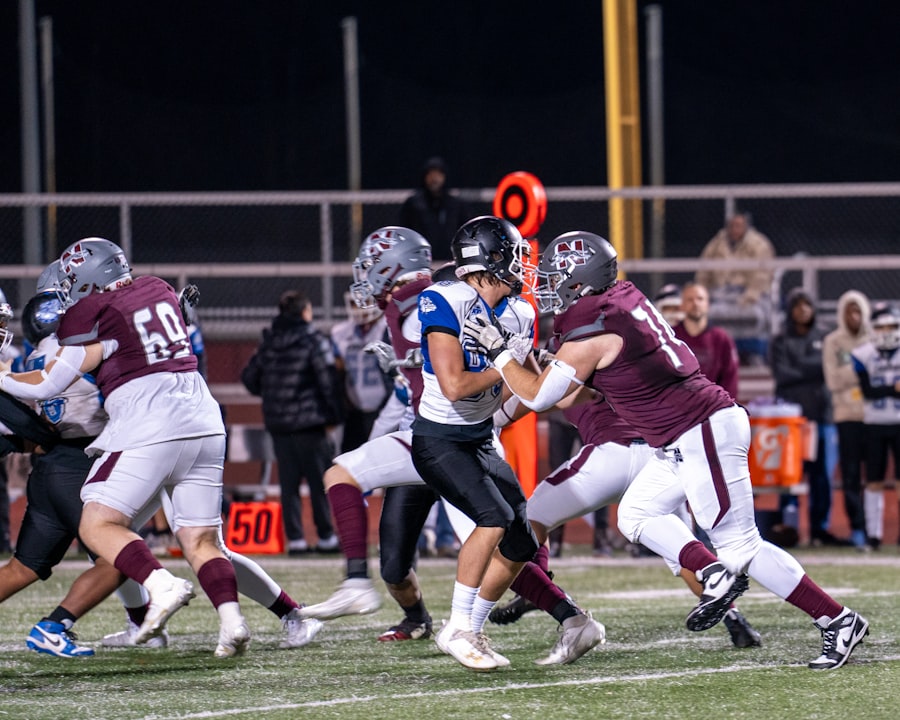
On the flip side of the ball lies the defense, tasked with stopping the opposing offense from advancing and scoring. Defensive positions are designed to counteract the strategies employed by offensive players. At the forefront are defensive linemen, who engage directly with offensive linemen to disrupt plays.
Their primary responsibilities include stopping the run and pressuring the quarterback during passing situations. Players like Aaron Donald have redefined this position with their explosive speed and strength, making them formidable opponents. Behind the defensive line are linebackers, who play a crucial role in both run defense and pass coverage.
They are often seen as the leaders of the defense due to their ability to read plays and make quick decisions. Linebackers must be versatile athletes capable of tackling ball carriers, covering receivers in space, and blitzing to pressure quarterbacks. The dual-threat nature of this position makes it one of the most demanding on the field.
Cornerbacks and safeties round out the defensive unit by focusing on pass coverage and preventing big plays. Cornerbacks are tasked with covering wide receivers one-on-one, using their speed and agility to stay close to their opponents. Safeties provide support over the top and can act as last lines of defense against deep passes or running plays that break through the front line.
The synergy between these positions is vital for creating a cohesive defensive strategy that can adapt to various offensive schemes.
Special Teams Positions: Kicker, Punter, Long Snapper, Returner
While often overlooked in discussions about football positions, special teams play a critical role in determining field position and scoring opportunities. Special teams units consist of players who handle kicking and punting duties as well as those responsible for returning kicks or punts. The kicker is responsible for field goals and extra points, requiring precision and composure under pressure.
Kickers like Justin Tucker have become household names due to their ability to make clutch kicks from long distances. Punters also play an essential role by controlling field position through their ability to kick the ball deep into enemy territory. A well-placed punt can pin an opposing team back near their end zone, making it difficult for them to score.
Long snappers are specialized players who ensure accurate snaps during field goals and punts; their precision is crucial for successful plays. Returners are tasked with receiving kickoffs or punts and advancing them as far as possible downfield. Their speed and vision allow them to navigate through defenders while seeking opportunities for big returns that can shift momentum in favor of their team.
Special teams may not always receive the spotlight, but their contributions can be game-changers.
Quarterback Responsibilities: Leading the Offense, Making Reads, Throwing the Ball
The quarterback’s responsibilities extend far beyond simply throwing passes; they are often seen as the leaders of their respective offenses. A successful quarterback must possess a deep understanding of both their own team’s playbook and their opponent’s defensive schemes. This knowledge allows them to make quick decisions at the line of scrimmage—whether to change a play based on defensive alignment or stick with the original call.
Making reads is one of the most critical aspects of a quarterback’s role. They must quickly assess defensive coverage after snapping the ball to determine where to throw it or whether to hand it off to a running back.
The ability to read defenses effectively can be the difference between a successful play and a turnover. Throwing the ball accurately is another essential responsibility for quarterbacks. They must deliver passes with precision to ensure receivers can make catches without losing momentum or risking injury.
The best quarterbacks have an innate ability to throw into tight windows while maintaining excellent timing with their receivers. This combination of leadership, decision-making, and throwing ability makes quarterbacks some of the most scrutinized players on any football team.
Running Back Responsibilities: Carrying the Ball, Blocking, Catching Passes
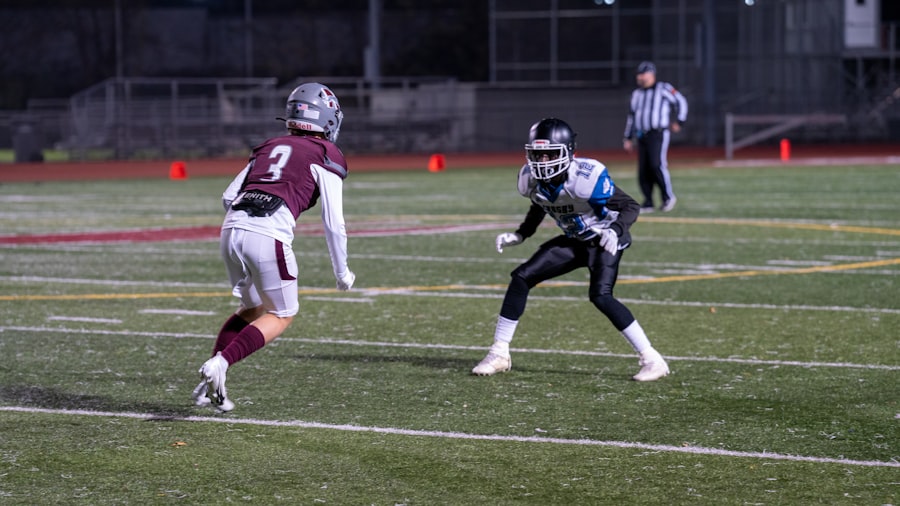
Running backs are often viewed as dynamic playmakers capable of changing games with their speed and agility. Their primary responsibility is carrying the ball on rushing plays; they must navigate through defenders while maintaining control of the football. A successful running back possesses excellent vision to identify holes in the offensive line and make quick cuts to evade tacklers.
In addition to rushing duties, running backs also play a crucial role in pass protection. They must be able to block defenders effectively when called upon to protect their quarterback during passing plays. This requires not only physical strength but also an understanding of defensive schemes to anticipate where pressure may come from.
Catching passes out of the backfield has become an increasingly important aspect of a running back’s responsibilities in modern football. Many offenses utilize running backs as receiving threats, allowing them to exploit mismatches against linebackers or safeties in coverage. This versatility makes running backs invaluable assets who can contribute in multiple facets of an offense.
Wide Receiver Responsibilities: Running Routes, Catching Passes, Blocking
Wide receivers are often considered some of the most exciting players on a football team due to their ability to make spectacular catches and score touchdowns. Their primary responsibility is running routes designed by coaches to create separation from defenders and get open for passes from the quarterback. This requires not only speed but also precise footwork and timing.
Catching passes is obviously central to a wide receiver’s role; they must possess reliable hands and concentration to secure throws—even in challenging conditions or under duress from defenders. The best wide receivers have an innate ability to track passes while adjusting their bodies mid-air for optimal catches. Blocking is another critical responsibility for wide receivers that often goes unnoticed by casual fans.
On running plays or screen passes, wide receivers must engage defenders downfield to create lanes for ball carriers. Effective blocking can lead to significant yardage gains or even touchdowns; thus, it is an essential part of their overall contribution to an offense.
Defensive Linemen Responsibilities: Stopping the Run, Rushing the Passer
Defensive linemen are tasked with two primary responsibilities: stopping the run and rushing the passer. Their role begins at the line of scrimmage where they engage offensive linemen in physical battles for control over territory. Stopping running plays requires strength and technique; defensive linemen must shed blocks effectively while maintaining gap integrity to prevent runners from finding openings.
They must use speed and agility combined with powerful moves to break free from blockers and pressure quarterbacks during passing situations. A successful pass rush can disrupt an offense’s rhythm and lead to turnovers or sacks—key moments that can shift momentum in favor of a defense.
The effectiveness of defensive linemen can often be measured by statistics such as tackles for loss (TFL) or sacks recorded throughout a season. Players like J.J. Watt have made significant impacts on games through their ability to dominate at this position; their presence alone can alter how opposing offenses approach their game plans.
Linebackers Responsibilities: Tackling, Covering Receivers, Blitzing
Linebackers serve as versatile defenders who bridge gaps between defensive linemen and secondary players like cornerbacks and safeties. Their responsibilities encompass tackling ball carriers effectively while also covering receivers in passing situations—a dual-threat capability that makes them invaluable assets on defense. Tackling is perhaps one of the most fundamental skills required from linebackers; they must be able to bring down opponents quickly while minimizing yards gained after contact.
This requires not only physical strength but also proper technique—ensuring that tackles are executed safely without risking injury. Covering receivers adds another layer of complexity to a linebacker’s responsibilities; they must be able to match up against faster players while maintaining awareness of potential routes being run by offensive targets. Blitzing—charging toward quarterbacks during passing plays—is another key responsibility that linebackers often undertake; this aggressive approach can lead directly to sacks or hurried throws that result in turnovers.
Cornerbacks and Safeties Responsibilities: Covering Receivers, Tackling, Intercepting Passes
Cornerbacks are primarily responsible for covering wide receivers during passing plays; they must possess speed and agility while demonstrating excellent technique when defending against routes run by opponents. Their ability to stay close enough without committing penalties is crucial for preventing completions downfield. Tackling is also an essential responsibility for cornerbacks; they must be able to bring down ball carriers effectively when plays break down or when running backs attempt outside runs toward their side of the field.
Strong tackling skills help prevent additional yardage gains after receptions or runs. Safeties serve as last lines of defense behind cornerbacks; they provide support against deep passes while also being involved in run support when necessary. Intercepting passes is another critical responsibility for safeties; they must read quarterbacks’ eyes effectively while positioning themselves strategically within coverage zones—creating opportunities for turnovers that can swing momentum back toward their team.
Special Teams Players Responsibilities: Kicking, Punting, Snapping, Returning Kicks or Punts
Special teams players hold unique responsibilities that differ significantly from those on offense or defense yet remain vital for overall team success during games. Kickers focus primarily on executing field goals or extra points with precision; they must maintain composure under pressure while ensuring accuracy from various distances. Punters control field position through their ability to kick effectively; they aim for distance while also placing kicks strategically within opponents’ territory—forcing them into difficult starting positions after returns occur.
Long snappers specialize in delivering accurate snaps during field goals or punts; this seemingly simple task requires immense focus since any miscue could lead directly toward failed attempts at scoring points or gaining yardage. Returners aim at maximizing yardage gained during kickoffs or punts; they must possess speed combined with vision—navigating through defenders while seeking opportunities for big returns that could change game momentum dramatically. In conclusion, understanding football positions provides valuable insights into how each player contributes uniquely toward achieving team objectives during games—whether offensively through scoring points defensively by stopping opponents’ advances or via special teams’ efforts controlling field position effectively throughout contests played across various levels within this beloved sport.
### FAQ Section 1. **What is the most important position in football?**
While every position has its significance, many consider the quarterback as one of the most crucial roles due to their leadership responsibilities and impact on offensive performance. 2.
**How do special teams affect a football game?**
Special teams play a vital role by influencing field position through kickoffs/punts while also providing scoring opportunities via field goals—often impacting game outcomes significantly. 3. **What skills do wide receivers need?**
Wide receivers require speed for route running along with reliable hands for catching passes; blocking skills are also essential when supporting running plays.
4. **What distinguishes cornerbacks from safeties?**
Cornerbacks primarily cover wide receivers during passing plays while safeties serve as last lines of defense—providing support against deep passes while also contributing toward run support when necessary. 5.
**Can running backs catch passes?**
Yes! Modern offenses often utilize running backs as receiving threats out of backfields—allowing them opportunities for additional yardage gains beyond traditional rushing attempts.