Football, or soccer as it is known in some parts of the world, holds a unique and significant place in European culture. It transcends mere sport; it is a powerful social phenomenon that unites communities, ignites passions, and fosters a sense of belonging. From the bustling streets of Barcelona to the historic pitches of London, football is woven into the very fabric of European life.
The sport’s origins can be traced back to the 19th century, when it began to take shape in England before spreading across the continent. Today, it is not just a game; it is a cultural touchstone that reflects the values, struggles, and aspirations of millions. In many European countries, football matches are more than just events; they are communal gatherings that bring together people from all walks of life.
The atmosphere in stadiums is electric, with fans singing anthems and waving flags, creating a sense of unity and shared identity. This collective experience fosters a deep emotional connection to local clubs and national teams, making football an integral part of cultural identity. The sport has also become a platform for expressing social issues, with fans often using their voices to advocate for change, highlighting its role as a catalyst for cultural dialogue.
Key Takeaways
- Football is deeply ingrained in European culture, serving as a unifying force and a source of national pride.
- Football has played a significant role in shaping national identity, with the sport often reflecting the values and traditions of a country.
- The evolution of club identity in European football has led to a strong sense of community and belonging among fans.
- Football has been a catalyst for social and political movements in Europe, with fans using the sport as a platform for activism and change.
- Football rivalries hold significant cultural significance, often reflecting historical, regional, and social tensions.
- The intersection of football and art in Europe has resulted in a rich tapestry of creative expression, from fan chants to stadium architecture.
- Football plays a crucial role in the European economy and tourism, attracting millions of visitors and generating substantial revenue.
- Football has facilitated cultural exchange in Europe, with the sport serving as a common language that transcends borders.
- The influence of football on European fashion and style is evident in the way fans dress and express their allegiance to their teams.
- Football has shaped European culinary culture, with match day rituals and stadium food becoming an integral part of the fan experience.
- The future of football culture in Europe is likely to continue evolving, with the sport remaining a central aspect of European identity and society.
The Influence of Football on National Identity
National Pride and Unity
For instance, Italy’s triumphs in the FIFA World Cup have not only solidified its status as a football powerhouse but have also fostered a sense of unity among its citizens. The national team becomes a symbol of hope and resilience, especially during challenging times.
Unifying Force in Times of Strife
Moreover, football can act as a unifying force in times of political or social strife. In nations where divisions exist—be it along ethnic, linguistic, or regional lines—football often provides a common ground.
Transcending Barriers
The 1998 FIFA World Cup saw France’s multicultural team lift the trophy, symbolizing the country’s diverse identity and promoting a message of inclusivity. Such moments resonate deeply within national consciousness, reinforcing the idea that football can transcend barriers and foster a sense of belonging.
The Evolution of Club Identity in European Football
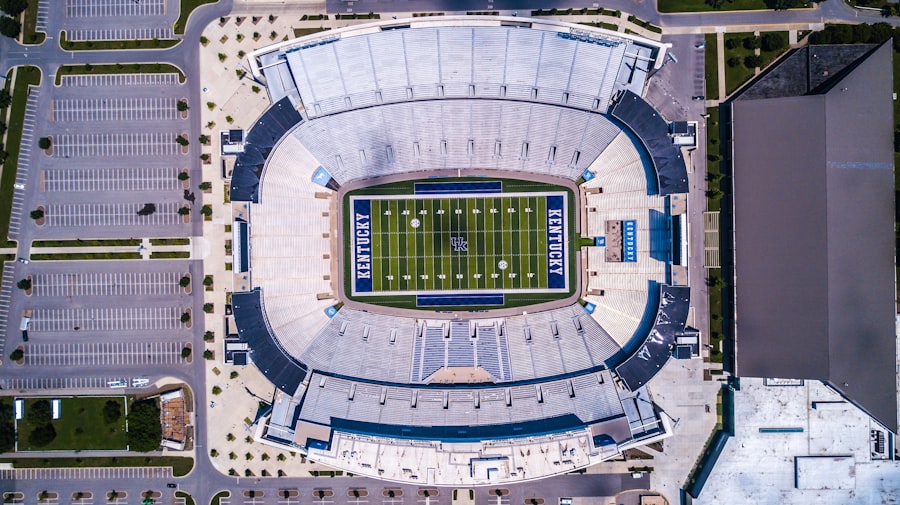
The evolution of club identity in European football is a fascinating journey that reflects broader societal changes. Clubs like Manchester United, FC Barcelona, and Bayern Munich have developed rich histories that are deeply intertwined with their local communities. These identities are shaped by various factors, including historical successes, iconic players, and unique fan cultures.
For example, FC Barcelona’s motto “Més que un club” (More than a club) encapsulates its role as a symbol of Catalan pride and identity. As clubs evolve, so too do their identities. The rise of commercialism in football has led to significant changes in how clubs are perceived.
While some fans embrace the influx of investment and global branding, others lament the loss of traditional values and local connections. This tension between heritage and modernity is evident in many clubs across Europe, as they navigate the challenges posed by globalization while striving to maintain their unique identities.
The Impact of Football on Social and Political Movements in Europe
Football has long been intertwined with social and political movements across Europe. The sport has served as a platform for activism, allowing fans and players alike to voice their opinions on pressing issues. For instance, during the 1980s, English football became a focal point for discussions around class struggle and social inequality.
The rise of hooliganism was often seen as a manifestation of broader societal frustrations. In recent years, players have increasingly used their platforms to advocate for social justice. High-profile figures like Marcus Rashford have taken stands against child food poverty in the UK, demonstrating how football can influence public discourse.
These examples illustrate how football can be both a reflection of societal issues and a catalyst for progress.
Football Rivalries and their Cultural Significance
Football rivalries are among the most intense and passionate aspects of European culture. Matches between arch-rivals often evoke strong emotions and can define entire seasons for clubs and their supporters. The fierce rivalry between Liverpool and Manchester United is not just about football; it embodies historical tensions between two cities with distinct identities.
Such rivalries create narratives that extend beyond the pitch, influencing local culture and community dynamics. These rivalries also serve as a means of cultural expression. Fans often engage in elaborate displays of support, from choreographed banners to intricate chants that tell stories about their clubs’ histories.
The atmosphere during derby matches is electric, with fans creating an environment that is both celebratory and charged with tension.
The Intersection of Football and Art in Europe

Artistic Tributes to Football
Iconic images from legendary matches or portraits of celebrated players often adorn galleries and public spaces, celebrating the beauty of the game.
Football’s Influence on Contemporary Art
Moreover, football has influenced contemporary art movements. Street artists frequently use football imagery to comment on social issues or celebrate local culture. For instance, murals depicting famous players or club logos can be found in urban areas across Europe, transforming public spaces into vibrant expressions of community pride.
The Broader Significance of Art
This engagement with football highlights its significance beyond the pitch, showcasing how the sport can inspire creativity and dialogue.
The Role of Football in European Economy and Tourism
Football plays a crucial role in the European economy, contributing significantly to job creation and tourism revenue. Major leagues like the English Premier League attract millions of viewers worldwide, generating substantial income through broadcasting rights and sponsorship deals. Clubs invest heavily in infrastructure, creating jobs not only within the teams but also in surrounding communities through hospitality and tourism.
Tourism related to football is particularly noteworthy during major tournaments such as the UEFA European Championship or the FIFA World Cup. Host cities experience an influx of visitors eager to experience the excitement of live matches while exploring local culture. This economic boost can have lasting effects on communities, fostering growth in sectors such as hospitality, transportation, and retail.
Football and Cultural Exchange in Europe
Football serves as a powerful vehicle for cultural exchange across Europe. International tournaments bring together diverse nations, allowing fans to share experiences and celebrate their differences while finding common ground through their love for the sport. Events like the UEFA Champions League showcase clubs from various countries competing at the highest level, fostering connections between fans from different backgrounds.
Additionally, player transfers have facilitated cultural exchange within clubs themselves. Many European teams boast rosters filled with international talent, creating multicultural environments that enrich team dynamics both on and off the pitch. This blending of cultures not only enhances the quality of play but also promotes understanding and appreciation among fans from different nations.
The Influence of Football on European Fashion and Style
Football has significantly influenced fashion trends across Europe, with players often becoming style icons both on and off the pitch. High-profile athletes like David Beckham and Cristiano Ronaldo have transcended their roles as sports figures to become influential figures in fashion. Their unique styles inspire fans and designers alike, leading to collaborations between sports brands and fashion houses.
Moreover, football merchandise has become a staple in everyday fashion. Jerseys are not just worn during matches; they have become fashionable items embraced by fans as part of their daily attire. Streetwear brands frequently incorporate football aesthetics into their designs, reflecting the sport’s pervasive influence on contemporary style.
Football and Food: How the Sport Shapes European Culinary Culture
The relationship between football and food is an intriguing aspect of European culture that often goes unnoticed. Match days are synonymous with culinary traditions unique to each region—whether it’s enjoying fish and chips at an English match or savoring tapas while watching La Liga in Spain. Local delicacies become part of the match-day experience, enhancing the communal atmosphere among fans.
Furthermore, food-related events often accompany major tournaments or club celebrations. Street vendors set up stalls outside stadiums offering regional specialties, creating a vibrant culinary landscape that reflects local culture. This intersection between food and football highlights how the sport can bring people together around shared experiences while celebrating regional flavors.
The Future of Football Culture in Europe
As Europe continues to evolve socially and technologically, so too will its football culture. The rise of digital media has transformed how fans engage with the sport; social media platforms allow for real-time interaction between clubs and supporters worldwide. This shift presents both opportunities and challenges for clubs as they navigate fan expectations in an increasingly connected world.
Moreover, issues such as sustainability are becoming more prominent within football culture. Clubs are beginning to recognize their responsibility towards environmental stewardship by implementing eco-friendly practices within stadiums and operations. As fans become more conscious of these issues, they will likely demand greater accountability from their beloved teams.
In conclusion, football remains an integral part of European culture that shapes identities, fosters community connections, influences social movements, and drives economic growth. Its rich history continues to evolve alongside societal changes while inspiring creativity across various artistic mediums. As we look towards the future, it is clear that football will remain a powerful force within Europe—one that unites people through shared passions while reflecting the complexities of modern life.
### FAQ Section 1. **How does football influence national pride?**
Football serves as a source of national pride by uniting citizens around their national teams during international competitions like the World Cup or UEFA Championships. 2.
**What role do rivalries play in European football culture?**
Rivalries create intense emotional connections among fans and contribute to local identities while fostering community spirit through shared experiences during matches. 3. **How has football impacted social movements in Europe?**
Football has been used as a platform for activism where players and fans advocate for social justice issues such as racism or inequality within society.
4. **In what ways does football intersect with art?**
Artists draw inspiration from football through various mediums like painting or photography while street art often celebrates local clubs or players. 5.
**What economic benefits does football bring to European cities?**
Football generates significant revenue through tourism related to matches while creating jobs within hospitality sectors surrounding clubs and events.