
Football clubs have long relied on ticket sales as a primary source of income, and this revenue stream remains vital to their financial health. Each match day, thousands of fans flock to stadiums, eager to support their teams and experience the thrill of live football. The price of tickets can vary significantly based on factors such as the club’s stature, the opponent, and the match’s importance.
For instance, a high-stakes derby match can command premium prices, while less significant fixtures may offer more affordable options. This dynamic pricing strategy allows clubs to maximize their revenue potential while catering to a diverse fan base. Moreover, ticket sales are not just about the immediate financial gain; they also foster a sense of community and loyalty among supporters.
Clubs often implement season ticket packages, which provide fans with guaranteed access to all home matches at a discounted rate. This not only secures upfront revenue for the club but also strengthens the bond between the team and its supporters. In recent years, many clubs have embraced digital ticketing solutions, making it easier for fans to purchase and manage their tickets while also reducing operational costs associated with traditional paper tickets.
Key Takeaways
- Ticket sales are a significant source of income for football clubs.
- Broadcasting rights bring in substantial revenue for European football clubs.
- Sponsorship deals with various companies provide clubs with a steady stream of income.
- Merchandise sales, including jerseys and scarves, contribute to the revenue of European football clubs.
- Player transfers, including transfer fees, are a significant source of income for football clubs.
Broadcasting Rights
Financial Windfall
Major television networks and online streaming platforms are willing to pay substantial sums for the privilege of broadcasting live matches, recognizing the immense popularity of football across the continent. For example, the English Premier League has secured lucrative broadcasting deals that have significantly increased the revenue for its member clubs, with some teams earning hundreds of millions annually from these agreements.
Global Reach and Engagement
The impact of broadcasting rights extends beyond just financial gain; it also enhances the global reach of clubs. Matches broadcasted internationally allow fans from different countries to engage with their favorite teams, fostering a worldwide community of supporters.
Investing in Success
Additionally, clubs can leverage their broadcasting revenue to invest in player acquisitions, infrastructure improvements, and youth development programs, ultimately contributing to their long-term success on and off the pitch.
Sponsorship Deals
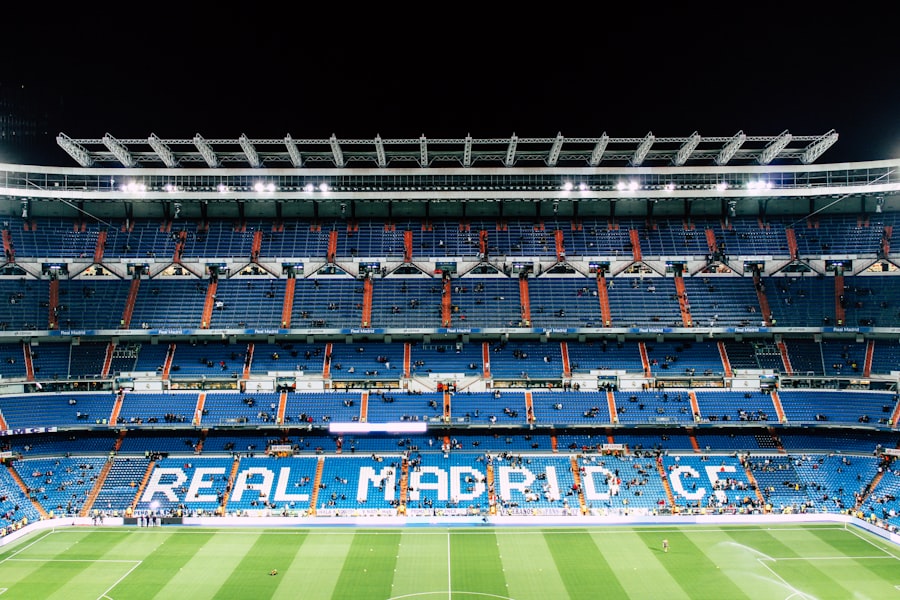
Sponsorship deals are another crucial revenue stream for football clubs, providing them with financial support in exchange for promoting various brands. These partnerships can take many forms, from jersey sponsorships with prominent sportswear brands to collaborations with energy drink companies and financial institutions. For instance, clubs like FC Barcelona and Manchester United have secured multi-million-pound deals with global brands that not only enhance their financial stability but also elevate their marketability.
The benefits of sponsorship extend beyond mere financial contributions; they also help clubs enhance their brand visibility and reputation.
Merchandise Sales
Merchandise sales represent a significant revenue source for European football clubs, as fans eagerly purchase jerseys, scarves, and other branded items to showcase their allegiance. The global appeal of football means that merchandise sales can extend far beyond a club’s home country, with fans around the world keen to display their support. Clubs often capitalize on this demand by offering a wide range of products, from replica kits to unique collectibles that cater to various demographics.
In recent years, many clubs have embraced e-commerce platforms to streamline merchandise sales and reach a broader audience. By establishing online stores, clubs can sell their products directly to fans worldwide, eliminating the need for physical retail locations. This shift has proven particularly beneficial during challenging times, such as the COVID-19 pandemic when match attendance was restricted.
As a result, merchandise sales have become an essential component of a club’s overall revenue strategy.
Player Transfers
The transfer market is a dynamic aspect of football that can significantly impact a club’s finances. When clubs buy and sell players, they engage in transactions that can yield substantial transfer fees. For example, high-profile transfers involving star players often command fees in excess of €100 million, providing clubs with an influx of cash that can be reinvested into their squads or infrastructure.
Clubs like Ajax and FC Porto have built reputations for developing young talent and selling them for significant profits, demonstrating how effective player development can contribute to financial success. However, player transfers are not solely about profit; they also reflect a club’s strategic vision and ambition. Clubs must carefully assess their needs and market conditions when engaging in transfer activities.
A well-timed sale can bolster a club’s finances while allowing them to reinvest in emerging talent or experienced players who can enhance their competitive edge. Ultimately, navigating the transfer market is a delicate balance between financial prudence and sporting ambition.
Prize Money
Financial Rewards
For instance, reaching the knockout stages of the Champions League can result in millions of euros in prize money, not to mention the additional income generated from increased ticket sales and broadcasting rights.
Incentivizing Investment
Moreover, prize money serves as an incentive for clubs to invest in their squads and facilities. The prospect of earning additional funds through successful campaigns encourages clubs to pursue top talent and improve their overall competitiveness.
Striving for Excellence
This cycle of investment and reward creates an environment where clubs strive for excellence on the pitch while simultaneously enhancing their financial stability.
Corporate Hospitality
Corporate hospitality has emerged as a lucrative revenue stream for football clubs, offering businesses and individuals exclusive access to premium seating and dining experiences during matches. These packages often include perks such as gourmet meals, private lounges, and personalized service, creating an elevated matchday experience for guests. Clubs can charge premium prices for these packages, generating significant income while also fostering relationships with corporate partners.
In addition to direct revenue generation, corporate hospitality can enhance a club’s brand image and reputation within the business community. By providing exceptional experiences for corporate clients, clubs can strengthen partnerships and attract new sponsors who seek to align themselves with successful organizations. This symbiotic relationship between corporate hospitality and sponsorship deals further contributes to a club’s overall financial health.
Stadium Sponsorship
Stadium sponsorship deals have become increasingly common in modern football, with companies willing to pay substantial sums for naming rights to stadiums. This trend provides clubs with a steady source of income while enhancing brand visibility for sponsors. For example, Arsenal’s Emirates Stadium and Manchester City’s Etihad Stadium are prime examples of successful stadium sponsorships that have generated significant revenue for their respective clubs.
The financial benefits of stadium sponsorship extend beyond immediate income; they also create opportunities for long-term partnerships that can enhance a club’s overall brand value. By associating with reputable companies, clubs can leverage these relationships to attract additional sponsors and investors while simultaneously improving their facilities and fan experience.
Player Endorsements
Star players often serve as valuable assets for football clubs beyond their on-pitch contributions. Many top players sign endorsement deals with various brands, ranging from sportswear companies to luxury goods manufacturers. These endorsements not only provide additional income for players but can also benefit the clubs they represent by enhancing their visibility and marketability.
For instance, Cristiano Ronaldo’s partnership with Nike has not only generated substantial income for him but has also elevated the brand image of his club during his tenure at Real Madrid and Juventus. The global appeal of star players allows clubs to tap into new markets and demographics through these endorsements, further solidifying their position within the competitive landscape of football.
Academy and Youth Development
Investing in youth academies has become a cornerstone strategy for many successful football clubs. By nurturing young talent through structured development programs, clubs can produce skilled players who may eventually contribute to the first team or be sold for significant transfer fees. Clubs like Barcelona and Ajax are renowned for their successful academies that have produced world-class players who have gone on to achieve great success both domestically and internationally.
The financial implications of youth development extend beyond immediate player sales; they also foster a sustainable model for long-term success. By cultivating homegrown talent, clubs can reduce reliance on expensive transfers while simultaneously building a strong identity rooted in local culture and community support. This approach not only enhances a club’s financial stability but also strengthens its connection with fans who take pride in seeing local talent succeed.
Matchday Hospitality
Matchday hospitality packages offer fans an opportunity to enjoy premium experiences during matches while generating additional revenue for football clubs. These packages often include access to exclusive lounges, fine dining options, and premium seating arrangements that elevate the overall matchday experience. By catering to fans seeking luxury experiences, clubs can charge higher prices for these packages while enhancing their brand image.
Furthermore, matchday hospitality serves as an effective way for clubs to engage with corporate clients and sponsors. By providing exceptional experiences during matches, clubs can strengthen relationships with key stakeholders while attracting new business opportunities. This dual benefit of generating revenue while enhancing brand visibility makes matchday hospitality an essential component of a club’s overall financial strategy.
In conclusion, European football clubs have developed diverse revenue streams that contribute significantly to their financial health and sustainability. From ticket sales and broadcasting rights to sponsorship deals and merchandise sales, each avenue plays a crucial role in supporting a club’s operations and ambitions. As the landscape of football continues to evolve, clubs must remain agile in adapting their strategies to maximize these revenue opportunities while maintaining strong connections with their fans.
FAQ Section: 1. **How do ticket sales impact a football club’s finances?**
Ticket sales are a primary source of income for football clubs, providing essential funds that support operations and investments in player acquisitions or infrastructure improvements. 2.
**What role do broadcasting rights play in generating revenue?**
Broadcasting rights are crucial for football clubs as they secure substantial payments from television networks and streaming platforms in exchange for live match coverage. 3. **How do sponsorship deals benefit football clubs?**
Sponsorship deals provide financial support in exchange for promoting brands, enhancing a club’s visibility while generating steady income streams.
4. **What is the significance of merchandise sales?**
Merchandise sales allow fans to express their support while generating significant revenue for clubs through the sale of branded products like jerseys and scarves. 5.
**How do youth academies contribute to a club’s success?**
Youth academies nurture young talent that can either contribute to the first team or be sold for transfer fees, creating a sustainable model for long-term success while reducing reliance on expensive transfers.